
Citizen Engagement
Building Wasil: One System for Managing Community Feedback Across Agencies in Palestine
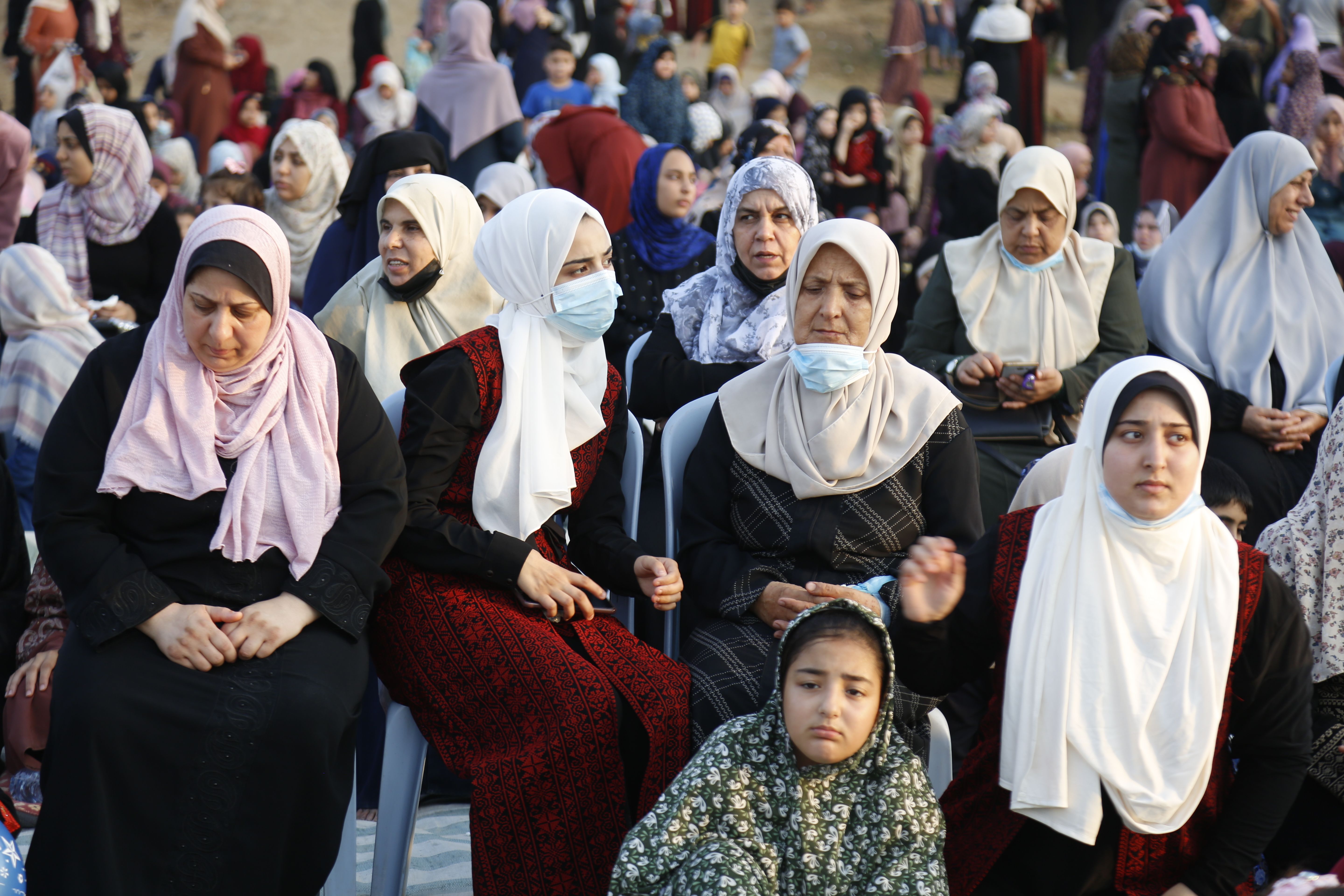
UN Women partnered with Ona Insights to consolidate complaints and feedback data from multiple partner agencies in the Occupied Palestinian Territory into one shared system: Wasil.
The UN Women's Accountability to Affected People (AAP) programme in the Occupied Palestinian Territory works to make sure people served by humanitarian clusters have a real way to be heard. That commitment lives in an interagency Complaints and Feedback Management (CFM) protocol, which collects and routes feedback from communities across multiple agencies.
The problem we solved was that each agency ran its own process. The Palestinian Working Woman Society for Development (PWWSD), a women's rights organization founded in 1981 and based in Ramallah, logged calls and exported cases to Excel by hand. The Aisha Association for Women and Child Protection (AISHA), a women's and child protection organization established in 2009 and based in Gaza City, used its own internal MIS. Neither gave UN Women a single, reliable view of what was happening on the ground.
Ona was brought in to design and build Wasil (Arabic for "connector"), a complaints management system that consolidates this into a single centralized database with a shared intake and referral process.
Problem Description and Context
Before Wasil, PWWSD's counsellors logged cases by phone, and someone manually exported case status to Excel to share with UN Women. AISHA recorded cases in its own MIS and shared summaries separately. There was no shared source of truth, and no easy way to see which focal person had acted on a case, or what they'd done.
As UN Women prepared to expand into more sectors and engage more partner organizations, three gaps stood out: no harmonized intake form, no central data repository or referral process, and no easy way to record what focal points did once a case reached them.
Our Approach
Rather than jumping straight into a build, Ona spent the first weeks in discovery: an intro meeting with UN Women, then walkthroughs with PWWSD and AISHA to map how each actually registers, refers, and closes a case. Reviewing both agencies' existing intake forms, their SOPs, and a sample of real case data helped pinpoint exactly where the two workflows diverged, and where a shared system could bring them together.
Ona also considered simply layering a reporting tool on top of PWWSD's and AISHA's existing systems rather than building a shared case management platform from scratch. That would have been faster to stand up, but it would have left the harmonized intake form, the unified referral logic, and the structured validation checks out of reach, so the team chose to build Wasil as the single source of truth instead.
The Technology
Wasil's architecture builds on Ona's earlier work on a similarly named case management system for UNICEF in the State of Palestine. At its core is a case management web app, surrounded by pipelines that bring in cases from several intake channels.
- Case intake: a direct web form, an offline Open Data Kit (ODK) form for face-to-face registration, and RapidPro flows for WhatsApp and SMS.
- Data ingestion and storage: Airbyte pipelines feed a PostgreSQL database, keeping raw and processed data separate.
- Data modeling: dbt (Data Build Tool) transformation scripts turn raw case data into reporting metrics.
- Case management: Directus runs the case lifecycle, referrals, and notifications.
- Reporting: an Akuko dashboard tracks performance for the interagency team.
Each case moves through a simple lifecycle: New, then Referred once a focal point is assigned, In Progress once they acknowledge it, Finalized Feedback once a resolution is logged, and Closed once the beneficiary confirms they're satisfied. If they're not, it goes back to Referred.
On delivery, Ona took an agile, iterative approach built around six deliverables: inception, case intake development, case management workflow, reporting, training, and ongoing support. The system was expected to be fully configured within two months of kickoff. Sugar CRM integration and non-English translation were kept out of scope for this phase.
Challenges
Building one intake form out of two very different systems turned out to be the hardest part. AISHA and PWWSD each had their own categorization and taxonomy, built around their own case types and referral logic, and getting those to line up in a single form meant reconciling definitions that didn't always map cleanly onto each other.
Integrating with AISHA's and PWWSD's existing systems added another layer of difficulty. Both ran independently, and pulling data out of them meant working through API issues and data mismatches along the way.
On the training side, language was a real constraint. Sessions were delivered in English, so the team relied on a translator to make sure PWWSD and AISHA staff could follow along and use the system confidently.
Getting WhatsApp working through TextIt was its own piece of work, separate from the core system build, but necessary to make the mobile intake channel usable.
Results & Impact
Now in its second year of operation, Wasil has recorded over 19,000 cases, with more than 12,000 already resolved and closed.
Three partner organizations and 13 agency focal persons now work off the same system, using a unified focal persons list and an automated referral path that routes each case to the right person based on its category, instead of relying on manual handoffs between agencies.
The unified intake form also eliminated the manual data transfer between AISHA and PWWSD, since both now feed into the same case pipeline.
Data quality has improved too. Cases go through a structured questionnaire with skip logic and validation checks, and referral paths are tied directly to agencies, so cases consistently reach the right focal person. Role-based access control keeps sensitive cases visible only to the people who should see them.
Key Takeaways
- One shared intake form across agencies solves most of the fragmentation.
- Mapping partners' actual workflows before designing anything new surfaces the real friction points.
- A clear case status flow makes referrals and accountability trackable across agencies with different internal processes.
- When working with multiple partners, having one focal person to coordinate, collate feedback, and sign off makes it much easier to design complex systems.
If your organization is trying to bring together complaints or case data across multiple partners, we'd love to talk about how Ona can help.